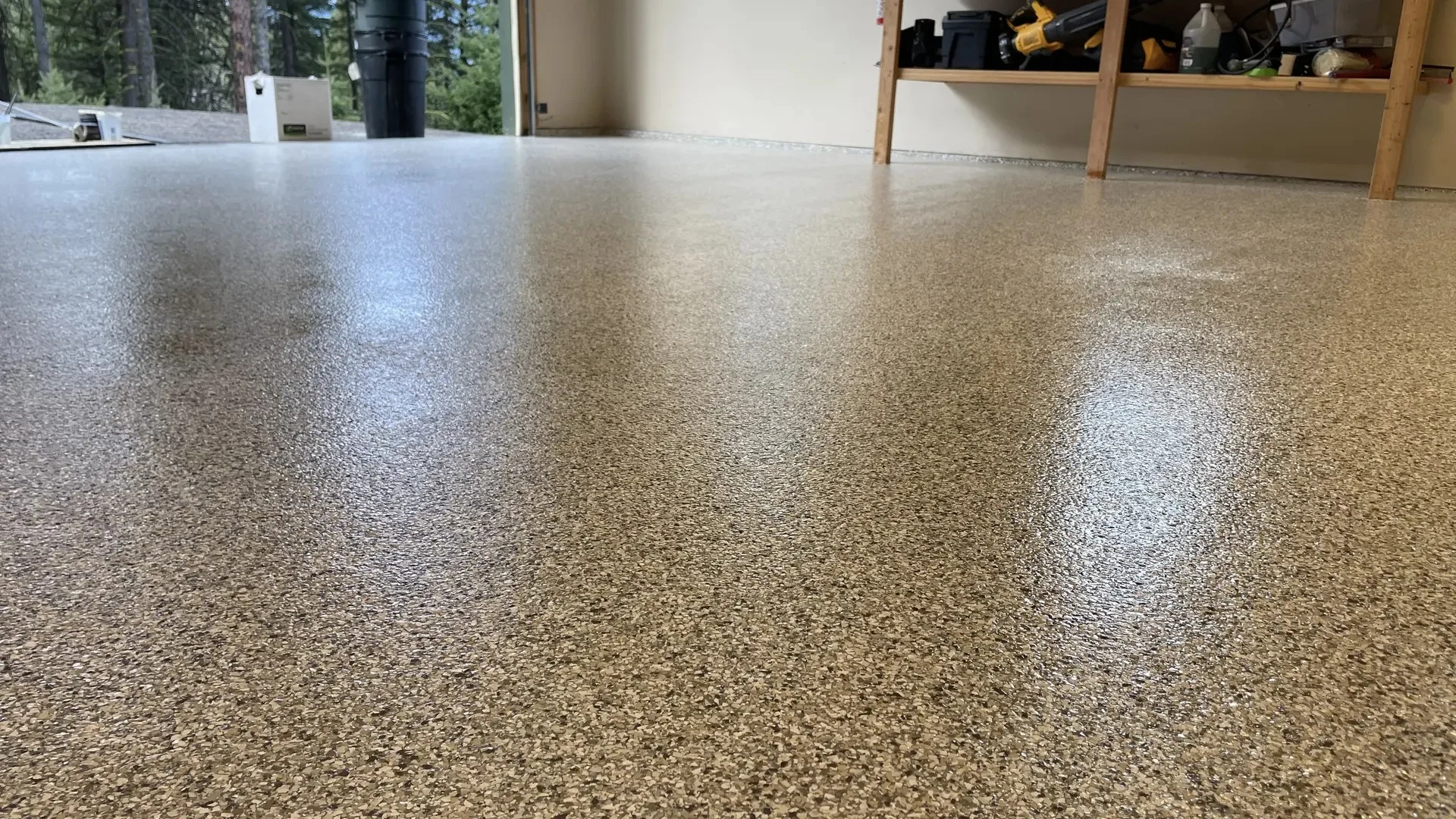
If you're planning an epoxy flooring project for your garage, shop, or commercial space, the real question isn't just how long the installer will be on site. It's how long the floor itself will be out of commission. Installation, coating, and curing each follow their own timeline, and being able to walk on a floor is a different milestone than parking a vehicle on it or running equipment across it. Yankee Coatings installs epoxy flooring, along with polished concrete, stained concrete, commercial concrete coatings, and concrete sealing, for residential, commercial, and industrial clients throughout the Treasure Valley. Here's how to think through the actual downtime involved before you schedule a project.
Installation Day Isn't the Same as "Ready to Use"
Most of the confusion around epoxy timing comes from treating the installer's time on site as the whole project timeline. In reality, there are two separate phases: active installation (preparation and coating application) and the waiting period afterward before the floor can handle traffic again.
According to Westcoat's buyer's guide, installation duration itself varies with job size, preparation requirements, and the materials selected, while the waiting period afterward is a separate consideration. Their guide notes that many epoxy floors are walkable within 24 hours or less, with heavier or vehicle traffic sometimes needing up to 72 hours (Westcoat, A Buyer's Guide to Epoxy Flooring). Those figures come from one manufacturer's general guidance, not a commitment for every project or coating system, but they show why "installation" and "total downtime" are two different numbers.
Why Preparation and Product Selection Affect Your Schedule
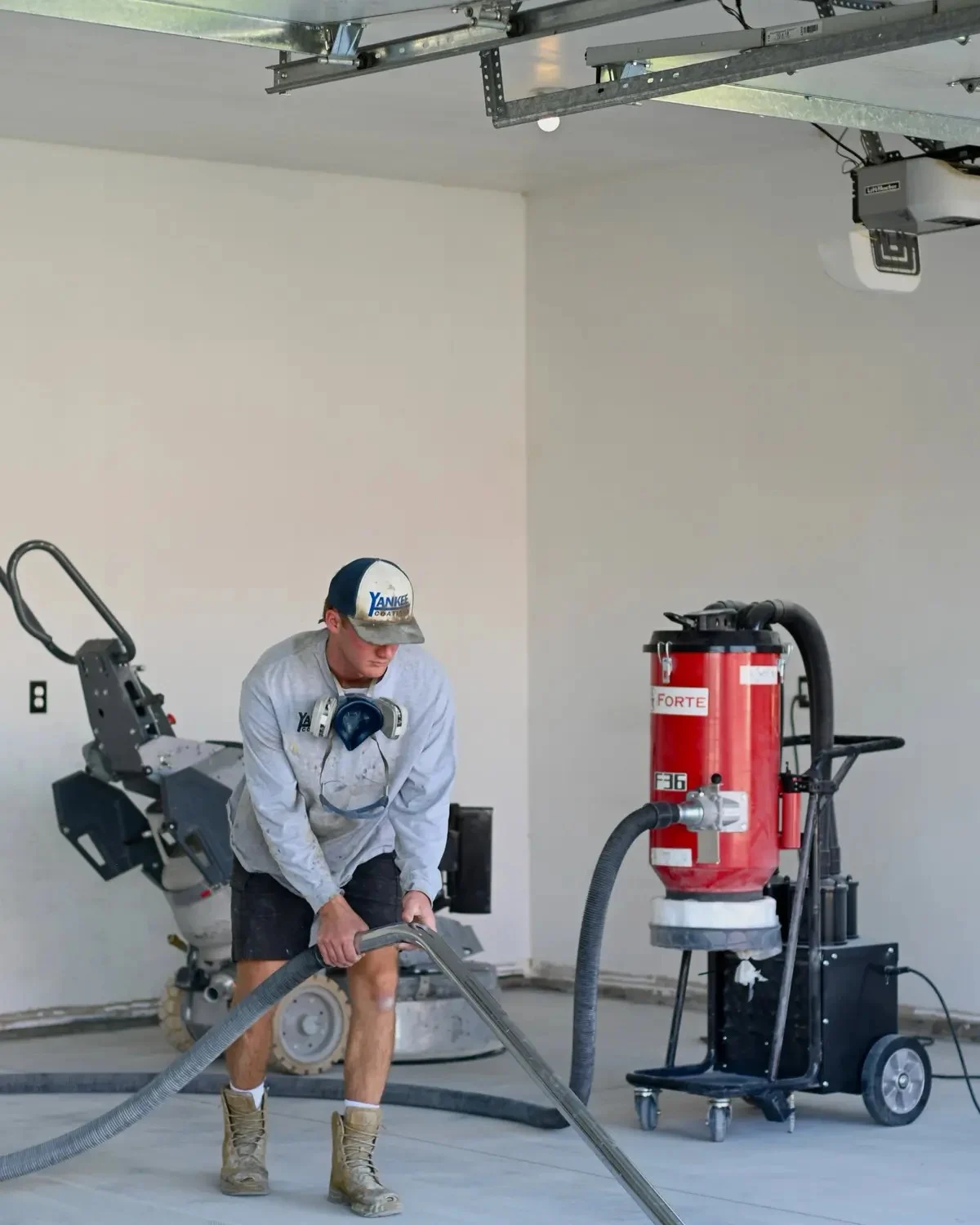
Yankee Coatings' approach centers on intensive concrete preparation and profiling, industrial-grade materials, and selecting the right product for the specific environment, whether that's a residential garage or a commercial floor with heavier use. That groundwork takes time, and it's time well spent. A floor that wasn't properly prepared or matched to its environment is far more likely to run into problems later, including coating failure.
Temperature plays a role too. Example manufacturer data sheets for epoxy and polyaspartic coatings call for substrate, air, and material temperatures to stay between 50 degrees F and 80 degrees F, noting that cooler conditions slow curing while warmer conditions speed it up (Surface Koatings technical data). That means your actual slab and site conditions, not a generic Treasure Valley average, should drive your proposed schedule.
Comparing Cure Times: Why "24 Hours" Isn't Universal
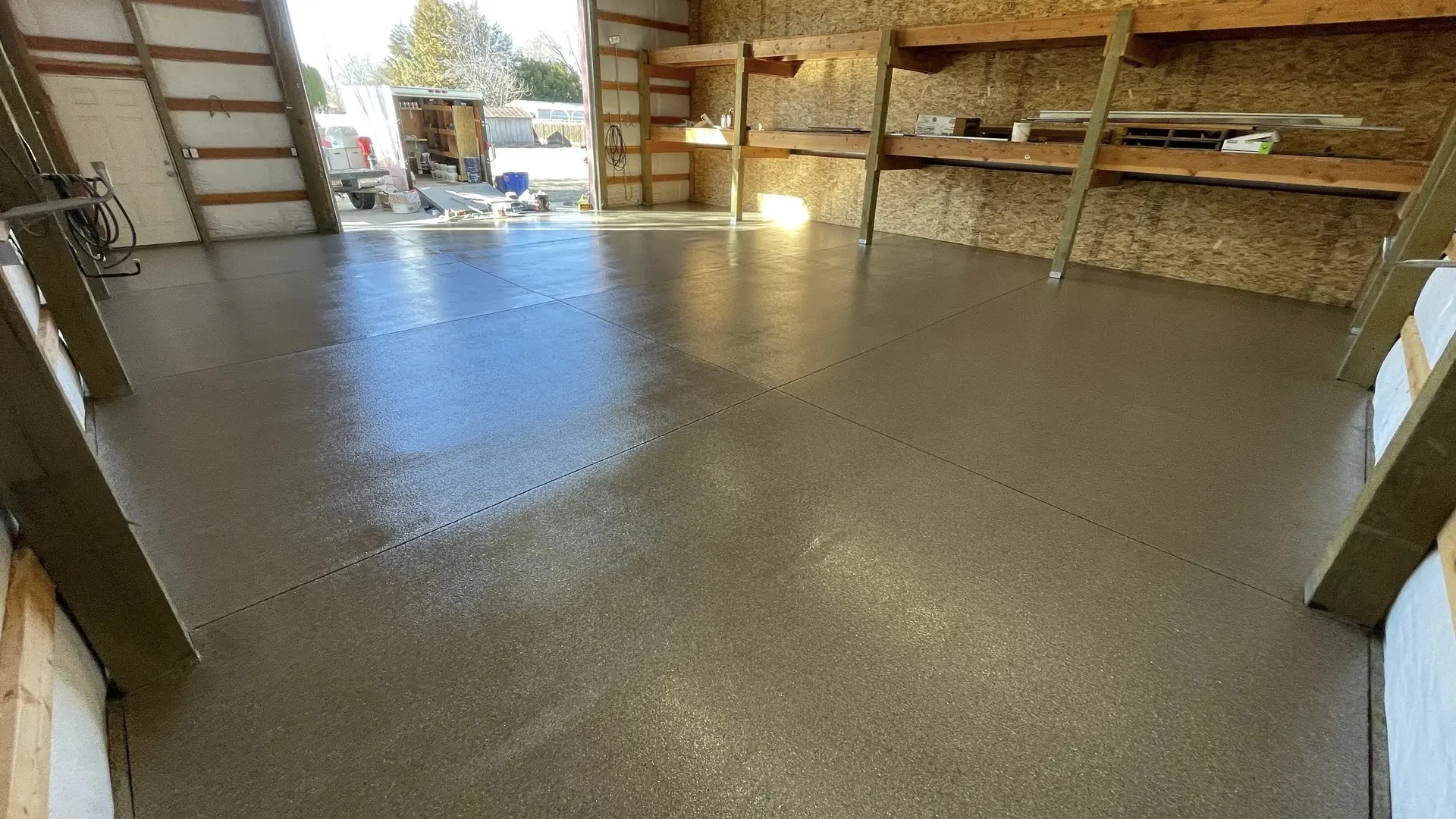
Coating chemistry makes a real difference in how quickly a floor clears each readiness milestone. The table below shows two example manufacturer data sheets, tested under the same laboratory conditions, to illustrate how different systems reach different milestones. These are manufacturer examples only, not a confirmed product for your project.
| Milestone | Example Epoxy System | Example Polyaspartic System |
|---|---|---|
| Light foot traffic | 14 to 18 hours | 3 to 4 hours |
| Heavy or vehicle traffic | 2 to 7 days | 24 hours |
| Full abrasion and chemical resistance | 7 to 14 days | 7 to 14 days |
Both example data sheets are based on laboratory conditions of 70 to 72 degrees F and 50 percent relative humidity (Surface Koatings technical data sheets). Notice that even the faster system still needs 7 to 14 days to reach full chemical resistance. Being able to park a vehicle on a floor doesn't mean every performance property has reached its final level, so it's worth asking exactly what each milestone covers before you plan around it.
What Can Push Your Timeline Back
A few conditions can extend a proposed schedule before installation even begins:
- New concrete: Westcoat recommends at least 28 days for recently poured concrete to cure and dry, along with moisture testing, before coating work starts.
- Moisture in the slab: Moisture vapor transmission can cause bubbling or coating failure, so a sound, clean, dry substrate is required before coating begins.
- Site temperature: Conditions outside a coating's acceptable range can slow curing or require adjusting the schedule.
Confirming these details ahead of time, rather than after the crew arrives, is what keeps a schedule on track.
Getting a Schedule You Can Rely On
A reliable return-to-use date depends on a few specifics: the exact coating system for your project, the condition of your existing slab, access requirements for the space, and written instructions for when people, stored items, vehicles, and equipment can return. Yankee Coatings typically sends estimates the same day or the next day after a walkthrough, so you can get those specifics in writing before committing to a start date. If your downtime needs don't line up well with epoxy's schedule, it's also worth asking about polished concrete as another decorative option.
Ready to Plan Your Project?
Yankee Coatings serves homeowners and businesses throughout the Treasure Valley with epoxy flooring, polished and stained concrete, commercial concrete coatings, and concrete sealing, backed by careful preparation and a 15-year manufacturer-backed warranty. Call (208) 996-4176 to schedule a walkthrough and get a return-to-use timeline specific to your garage, shop, or commercial floor, or browse our full range of concrete services for Treasure Valley properties.